Buy baugruppe.eu ?
We are moving the project
baugruppe.eu .
Are you interested in purchasing the domain
baugruppe.eu ?
domain@kv-gmbh.de · 0541-91531010
Buy baugruppe.eu ?
What is the relationship between function and structure in chloroplasts?
The relationship between function and structure in chloroplasts is closely intertwined. The structure of chloroplasts, with their double membrane, thylakoid membranes, and stroma, is specifically designed to support their function of photosynthesis. The thylakoid membranes, for example, provide a large surface area for the light-dependent reactions of photosynthesis to take place, while the stroma contains the enzymes necessary for the light-independent reactions. The structure of chloroplasts is therefore essential for their function in converting light energy into chemical energy. **
Which cells have chloroplasts?
Chloroplasts are found in plant cells and some algae cells. **


Similar search terms for Chloroplasts
Top-Angebote
Products related to Chloroplasts:
-
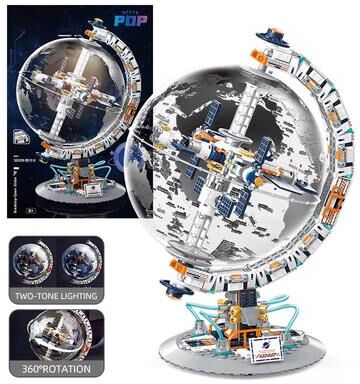
Market Central Space Station Building Blocks Transparent Globe STEM Construction Toy For Kids Space Station Building Blocks Transparent Globe STEM Construction Toy For KidsBuild a miniature world of exploration with space station building blocks designed to turn handson play into an exciting creative challenge. This futuristic transparent globe building set lets young builders assemble a detailed orbital station that...129,97 $*Shipping: 0,00 $Secure redirect to the provider
-
Useful Little Things Pipe Building Blocks Construction Set 100 PcsInspire creativity, problem solving, and hands on learning with the Pipe Building Blocks Construction Set. Designed for young builders, this educational playset features colorful pipe connectors and building pieces that allow children to create...44,97 $*Shipping: 0,00 $Secure redirect to the provider
-
Templar Publishing Building Machines: The Interactive Guide to Construction MachinesThis book combines fact-filled spreads with an interactive building element. Colourful, humorous illustrations explain the mechanics behind each vehicle and their role on a construction site. Then, using a pegboard and over 50 pre-cut parts, budding young engineers can create mini models of these real machines - from bulldozers and dump trucks to cranes and road rollers.8,99 £*Shipping: 2,99 £Secure redirect to the provider
-
Perfect Picks Market Large House Building Blocks Construction Set For Kids Creative Educational Building Toys 72pcsCreate a world of imagination and creativity with these large building blocks designed for curious young minds. This interactive construction set lets children build houses, structures, and creative designs while strengthening problemsolving skills....39,97 $*Shipping: 0,00 $Secure redirect to the provider




-
How are chloroplasts structured?
Chloroplasts are double-membrane organelles found in plant cells that contain their own DNA and ribosomes. They have a fluid-filled interior called the stroma, where the process of photosynthesis takes place. Within the stroma are stacks of thylakoid membranes called grana, which contain chlorophyll and other pigments that capture light energy. The thylakoid membranes are where the light-dependent reactions of photosynthesis occur, producing ATP and NADPH. Overall, the structure of chloroplasts is highly specialized for the process of photosynthesis, allowing plants to convert light energy into chemical energy. **
-
What are mitochondria and chloroplasts?
Mitochondria are membrane-bound organelles found in the cells of eukaryotic organisms, responsible for producing energy in the form of ATP through cellular respiration. They have their own DNA and are thought to have originated from ancient bacteria through endosymbiosis. Chloroplasts are also membrane-bound organelles found in plant cells and some protists, responsible for photosynthesis, the process by which they convert sunlight into energy-rich molecules like glucose. Like mitochondria, chloroplasts also have their own DNA and are believed to have originated from ancient photosynthetic bacteria through endosymbiosis. **
-
Can humans also have chloroplasts?
No, humans cannot have chloroplasts. Chloroplasts are organelles found in plant cells that are responsible for photosynthesis, the process by which plants convert sunlight into energy. Humans do not have chloroplasts because they do not undergo photosynthesis. Instead, humans rely on the consumption of plants and other organisms to obtain the energy they need for survival. **
-
What is the connection between the structure and the functions of chloroplasts?
The structure of chloroplasts is directly related to their functions. Chloroplasts have a double membrane that helps to separate the internal environment from the external environment, allowing for the efficient performance of photosynthesis. Within the chloroplast, there are thylakoid membranes that contain chlorophyll, which is essential for capturing light energy. The structure of these membranes allows for the formation of a proton gradient, which is crucial for the production of ATP during photosynthesis. Overall, the structure of chloroplasts is intricately linked to their functions in capturing light energy and converting it into chemical energy through photosynthesis. **

How are chloroplasts and plastids formed?
Chloroplasts and plastids are formed through a process called biogenesis, which involves the replication of existing organelles. They are believed to have originated from endosymbiotic cyanobacteria that were engulfed by a eukaryotic cell. Over time, these cyanobacteria evolved into chloroplasts and plastids, developing a symbiotic relationship with the host cell. This process allowed for the transfer of genetic material between the organelles and the host cell, leading to the formation of chloroplasts and plastids as we know them today. **
What are the functions of chloroplasts?
Chloroplasts are the organelles responsible for photosynthesis in plant cells. Their main function is to capture light energy and convert it into chemical energy in the form of glucose, which serves as the primary source of energy for the plant. Chloroplasts also contain chlorophyll, the green pigment that gives plants their color and is essential for the absorption of light during photosynthesis. Additionally, chloroplasts are involved in the synthesis of other important molecules, such as amino acids and lipids, and play a role in the regulation of cellular metabolism. **
Top-Angebote
Products related to Chloroplasts:
-
Uplifted Finds 121PCS Magnetic Building Blocks Set Montessori Construction Puzzle Tiles 121PCS Magnetic Building Blocks Set Montessori Construction Puzzle TilesCommand ultimate pediatric confidence with the MagnetoKinetic Structural System, a highperformance architectural solution specifically engineered to act as a comprehensive tool for elite organization and superior technical ergonomics. Built with a...146,97 $*Shipping: 0,00 $Secure redirect to the provider
-
Market Central Transparent Globe Space Station Building Blocks STEM Construction Toy For Kids Transparent Globe Space Station Building Blocks STEM Construction Toy For KidsTurn building time into an exciting journey through space with these space station building blocks. This futuristic transparent globe building set lets young builders create a detailed orbital station that can be viewed from multiple angles. Its...159,97 $*Shipping: 0,00 $Secure redirect to the provider
-
Market Central Space Station Building Blocks Transparent Globe STEM Construction Toy For Kids Space Station Building Blocks Transparent Globe STEM Construction Toy For KidsBuild a miniature world of exploration with space station building blocks designed to turn handson play into an exciting creative challenge. This futuristic transparent globe building set lets young builders assemble a detailed orbital station that...129,97 $*Shipping: 0,00 $Secure redirect to the provider
-
Useful Little Things Pipe Building Blocks Construction Set 100 PcsInspire creativity, problem solving, and hands on learning with the Pipe Building Blocks Construction Set. Designed for young builders, this educational playset features colorful pipe connectors and building pieces that allow children to create...44,97 $*Shipping: 0,00 $Secure redirect to the provider
-
What is the relationship between function and structure in chloroplasts?
The relationship between function and structure in chloroplasts is closely intertwined. The structure of chloroplasts, with their double membrane, thylakoid membranes, and stroma, is specifically designed to support their function of photosynthesis. The thylakoid membranes, for example, provide a large surface area for the light-dependent reactions of photosynthesis to take place, while the stroma contains the enzymes necessary for the light-independent reactions. The structure of chloroplasts is therefore essential for their function in converting light energy into chemical energy. **
-
Which cells have chloroplasts?
Chloroplasts are found in plant cells and some algae cells. **
-
How are chloroplasts structured?
Chloroplasts are double-membrane organelles found in plant cells that contain their own DNA and ribosomes. They have a fluid-filled interior called the stroma, where the process of photosynthesis takes place. Within the stroma are stacks of thylakoid membranes called grana, which contain chlorophyll and other pigments that capture light energy. The thylakoid membranes are where the light-dependent reactions of photosynthesis occur, producing ATP and NADPH. Overall, the structure of chloroplasts is highly specialized for the process of photosynthesis, allowing plants to convert light energy into chemical energy. **
-
What are mitochondria and chloroplasts?
Mitochondria are membrane-bound organelles found in the cells of eukaryotic organisms, responsible for producing energy in the form of ATP through cellular respiration. They have their own DNA and are thought to have originated from ancient bacteria through endosymbiosis. Chloroplasts are also membrane-bound organelles found in plant cells and some protists, responsible for photosynthesis, the process by which they convert sunlight into energy-rich molecules like glucose. Like mitochondria, chloroplasts also have their own DNA and are believed to have originated from ancient photosynthetic bacteria through endosymbiosis. **
Similar search terms for Chloroplasts
-
Templar Publishing Building Machines: The Interactive Guide to Construction MachinesThis book combines fact-filled spreads with an interactive building element. Colourful, humorous illustrations explain the mechanics behind each vehicle and their role on a construction site. Then, using a pegboard and over 50 pre-cut parts, budding young engineers can create mini models of these real machines - from bulldozers and dump trucks to cranes and road rollers.8,99 £*Shipping: 2,99 £Secure redirect to the provider
-
Perfect Picks Market Large House Building Blocks Construction Set For Kids Creative Educational Building Toys 72pcsCreate a world of imagination and creativity with these large building blocks designed for curious young minds. This interactive construction set lets children build houses, structures, and creative designs while strengthening problemsolving skills....39,97 $*Shipping: 0,00 $Secure redirect to the provider
-
Inspired Finds Space Station Transparent Globe Building Blocks High Tech Construction Toy For Kids Space Station Transparent Globe Building Blocks High Tech Construction Toy For KidsInspire curiosity and creativity with this space station building blocks set that lets kids craft their own futuristic space habitat inside a striking transparent globe. This hightech STEM building toy combines handson construction with imaginative...184,99 $*Shipping: 0,00 $Secure redirect to the provider
-
Useful Little Things Pipe Building Blocks Construction Set 72 PcsInspire creativity, problem solving, and hands on learning with the Pipe Building Blocks Construction Set. Designed for young builders, this educational playset features colorful pipe connectors and building pieces that allow children to create...39,97 $*Shipping: 0,00 $Secure redirect to the provider
-
Can humans also have chloroplasts?
No, humans cannot have chloroplasts. Chloroplasts are organelles found in plant cells that are responsible for photosynthesis, the process by which plants convert sunlight into energy. Humans do not have chloroplasts because they do not undergo photosynthesis. Instead, humans rely on the consumption of plants and other organisms to obtain the energy they need for survival. **
-
What is the connection between the structure and the functions of chloroplasts?
The structure of chloroplasts is directly related to their functions. Chloroplasts have a double membrane that helps to separate the internal environment from the external environment, allowing for the efficient performance of photosynthesis. Within the chloroplast, there are thylakoid membranes that contain chlorophyll, which is essential for capturing light energy. The structure of these membranes allows for the formation of a proton gradient, which is crucial for the production of ATP during photosynthesis. Overall, the structure of chloroplasts is intricately linked to their functions in capturing light energy and converting it into chemical energy through photosynthesis. **
-
How are chloroplasts and plastids formed?
Chloroplasts and plastids are formed through a process called biogenesis, which involves the replication of existing organelles. They are believed to have originated from endosymbiotic cyanobacteria that were engulfed by a eukaryotic cell. Over time, these cyanobacteria evolved into chloroplasts and plastids, developing a symbiotic relationship with the host cell. This process allowed for the transfer of genetic material between the organelles and the host cell, leading to the formation of chloroplasts and plastids as we know them today. **
-
What are the functions of chloroplasts?
Chloroplasts are the organelles responsible for photosynthesis in plant cells. Their main function is to capture light energy and convert it into chemical energy in the form of glucose, which serves as the primary source of energy for the plant. Chloroplasts also contain chlorophyll, the green pigment that gives plants their color and is essential for the absorption of light during photosynthesis. Additionally, chloroplasts are involved in the synthesis of other important molecules, such as amino acids and lipids, and play a role in the regulation of cellular metabolism. **
* All prices are inclusive of VAT and, if applicable, plus shipping costs. The offer information is based on the details provided by the respective shop and is updated through automated processes. Real-time updates do not occur, so deviations can occur in individual cases. ** Note: Parts of this content were created by AI.